The human digestive system is one of the most fascinating and essential systems in the body. It is responsible for breaking down the food we eat, absorbing nutrients, and eliminating waste. This complex network of organs works together seamlessly, ensuring that every meal we consume is converted into energy, growth, and overall nourishment. Understanding how this system functions can help us make healthier choices and better appreciate the incredible processes happening inside our bodies every day.
The digestive process begins the moment food enters the mouth. Chewing mechanically breaks food into smaller pieces, while saliva starts the chemical breakdown of carbohydrates. Once swallowed, food travels through the esophagus—a muscular tube that pushes food downward using rhythmic contractions known as peristalsis. This movement guides the food into the stomach, where some of the most crucial digestive activities take place.
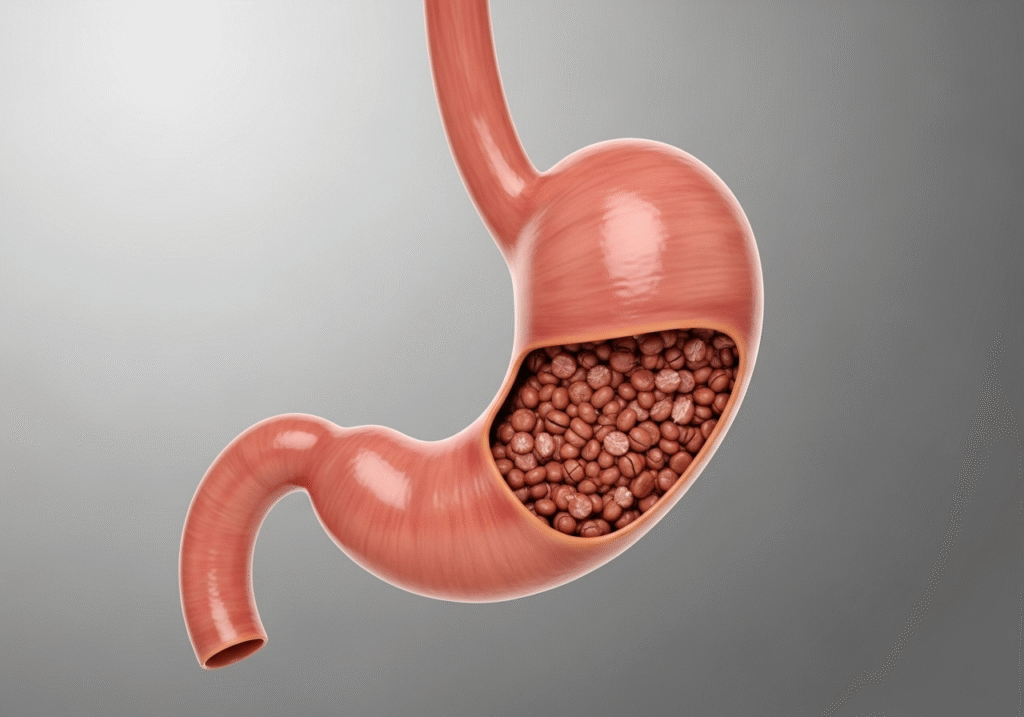
Inside the stomach, powerful gastric juices containing acids and enzymes begin breaking down proteins. The stomach muscles churn and mix the food, creating a thick liquid called chyme. This mixture then moves into the small intestine, which is often considered the “powerhouse” of digestion. The small intestine is lined with tiny hair-like structures called villi and microvilli that increase its surface area, allowing for maximum nutrient absorption.
As chyme flows through the small intestine, it interacts with other organs that support digestion. The liver, located on the right side of the body, produces bile—a substance that helps break down fats. This bile is stored in the gallbladder until needed. Meanwhile, the pancreas releases enzymes that break down carbohydrates, proteins, and fats, as well as bicarbonate that neutralizes stomach acid to protect the delicate lining of the intestines.
After nutrients are absorbed in the small intestine, the remaining undigested material passes into the large intestine. Here, water and electrolytes are absorbed, transforming the waste into a more solid form. The large intestine also houses beneficial bacteria that help break down remaining substances and support overall gut health. Eventually, waste is stored in the rectum and expelled from the body.
Every organ in the digestive system plays a unique role, and their cooperation keeps the body functioning smoothly. When any part of this system becomes irritated, inflamed, or blocked, it can lead to discomfort or serious health issues. Common digestive problems include acid reflux, bloating, constipation, ulcers, and lactose intolerance. Maintaining a balanced diet rich in fiber, staying hydrated, and exercising regularly can significantly support digestive health.
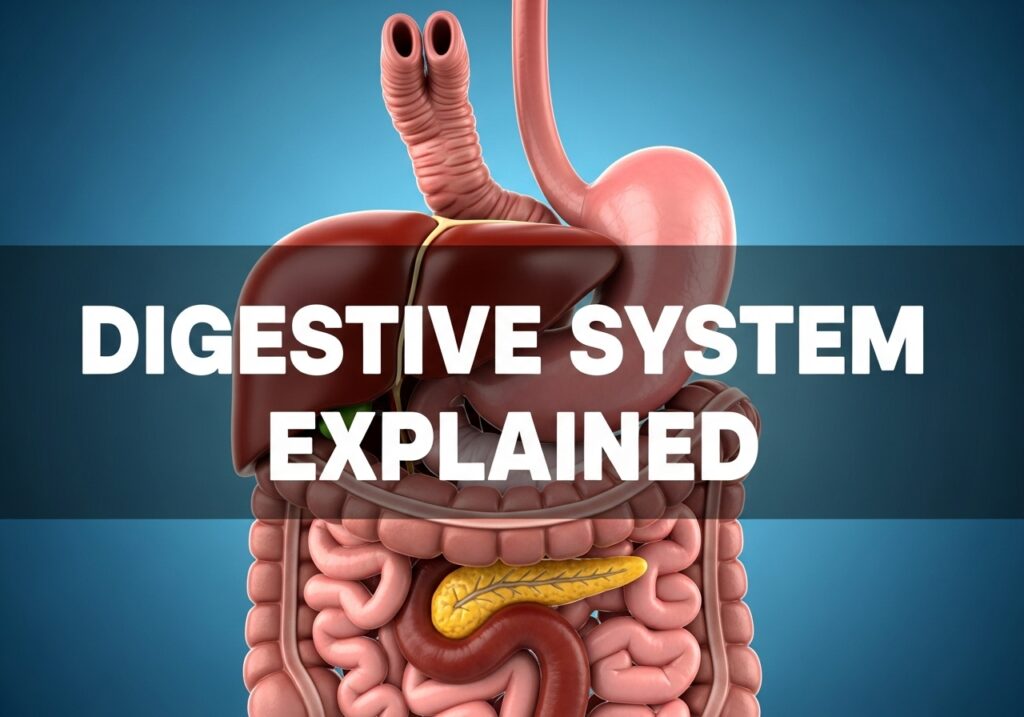
The image above clearly illustrates the major organs involved—lungs, esophagus, liver, stomach, gallbladder, pancreas, small intestine, and large intestine. Visuals like this help us better understand how closely connected our internal systems are.
In summary, the digestive system is a highly coordinated and vital network responsible for processing food, extracting nutrients, and eliminating waste. By learning how it works, we can make more informed decisions that support long-term health and well-being.